

 Help take extra special care of an elephant that is close to your heart.


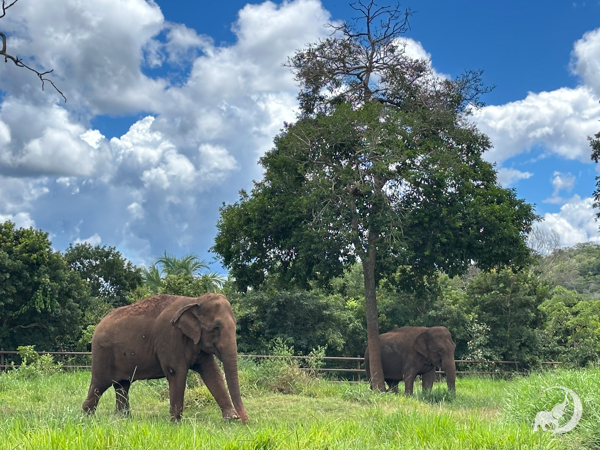
Over the past few years, scientists have noticed a fascinating and concerning trend in wild African elephants. This EleFact Friday, we’re looking at what researchers discovered regarding the tusks of African elephants in Mozambique, and what it means for the future of elephants in Africa. According to observations, genetic mutations…...
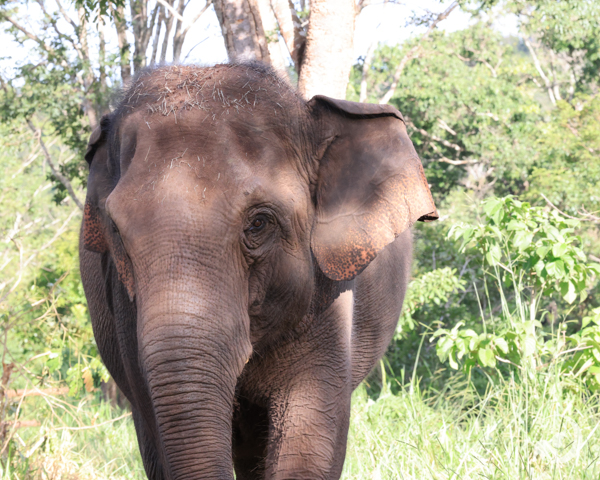
EleFact Friday: Whisker Business
Sensing With Whiskers We’ve written before about elephant whiskers and how they differ from those of other mammals like cats or rats. These keratin-based fibers can sometimes sense frequencies and map out an animal’s surroundings as they come into contact with objects around them. Unlike those of the furry animals, elephant…...
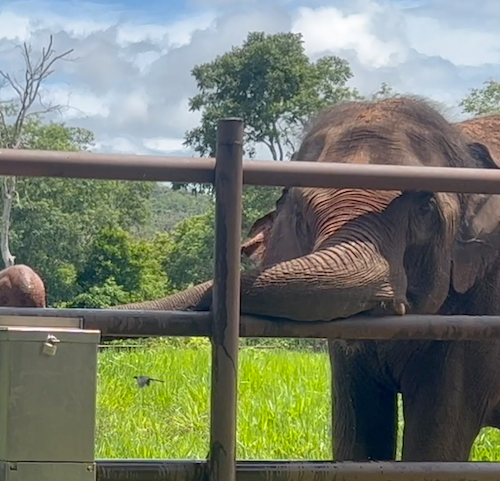

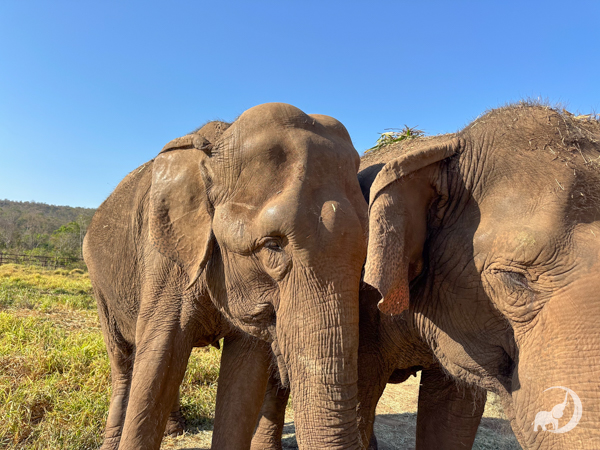
EleFact Friday: Thoughts on Emotions
We’ve spent quite a bit of time lately talking about the emotional abilities of elephants, especially as they navigate grief. Elephants are highly emotionally intelligent animals, as we all know and have seen firsthand through the experiences we share with the ladies of Elephant Sanctuary Brazil. For today’s EleFact, we’ll…...
You Ask, We Answer: What Can You Do To Help?
We don’t definitively know the number of elephants who live in captivity around the world, though researchers are doing excellent work on identifying as many as possible. There are an estimated 15,000 to 18,000 captive elephants in the world, with Asian elephants making up the vast majority (around 16,000-17,000) and…...
Become an EleGuardian

Shop for Eles & Humans


