#elefactfriday

EleFact Friday: Connecting Pathways

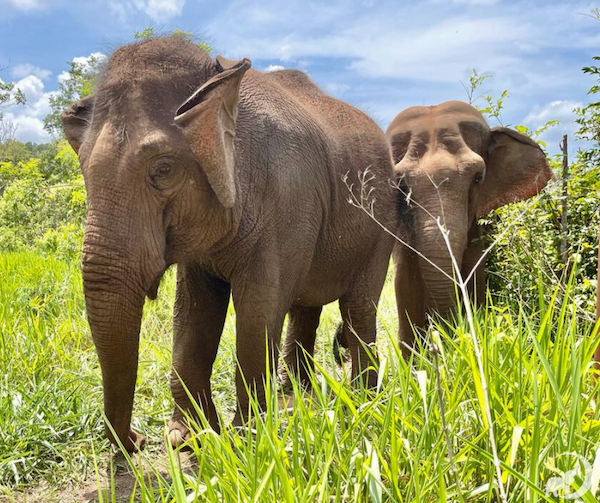
When it comes to the conservation of the elephant species, we’ve shared time and time before that the greatest threat to the species as a whole is the destruction of their native habitats and resources. To protect elephants in the wild, it’s imperative to protect their spaces. A recent study…...

Read more

EleFact Friday: How Ears Can Communicate

In response to several recent videos of happy elephants with flapping ears, we’ve received a few questions about the particular ear movements that the girls may be showing off. We know that elephants’ large ears help keep them cool (and keep bugs away) but did you know that certain movements…...

Read more

EleFact Friday: We Want to Hear From You

Our EleFact Friday posts are a great way to share news, facts, and research from the elephant world with all of our supporters. We do our best to share what we find fascinating, but it’s equally as exciting when our supporters reach out to us about specific things they want…...

Read more

EleFact Friday: Yearly Roundup

As another year comes to a close, we reflect on the opportunities and responsibilities that we have as an organization not only to provide sanctuary to elephants, but to share news and research from around the world about the elephant species as a whole. Education is a key aspect of…...

Read more

EleFact Friday: Maintaining the Ecosystem

In last week’s EleFACT, we shared about the impressive nature of the elephant species’ in their ability to seemingly “know” what plants around the sanctuary or in the wild are poisonous or, even more impressively, how their bodies seem to react to toxins in less harmful ways than other species.…...

Read more

EleFact Friday: What To Eat?

Our sanctuary residents are given plenty of time to explore the habitats, which means they often come into contact with native flora and fauna they may have not experienced before. This presents an interesting question for both the elephants at Elephant Sanctuary Brazil and other species in the wild: how…...

Read more